Pillows play a crucial role in sleep quality by supporting alignment of the spine and maintaining comfortable head posture throughout the night. Understanding pillow types and fills helps tailor choices to individual sleep positions, whether back, side, or stomach sleeping. Key considerations include loft, firmness, breathability, and materials that affect temperature regulation and allergy safety, such as memory foam, latex, and natural fibers.
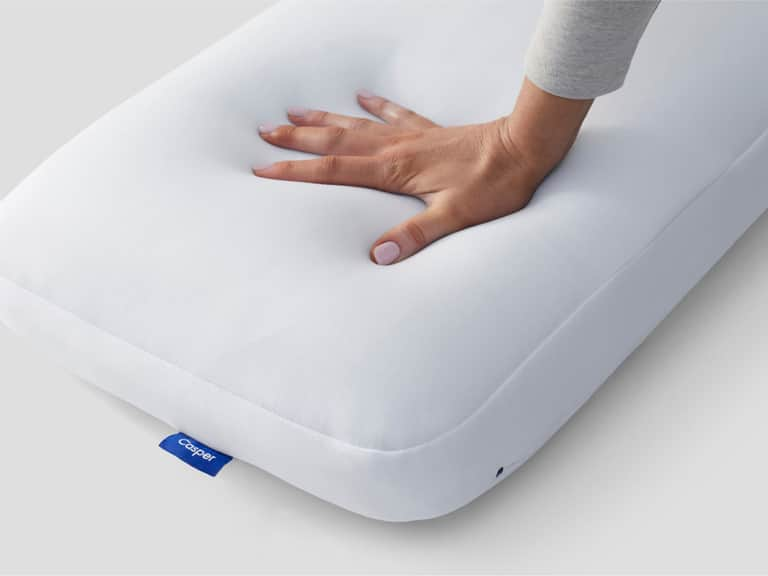
For memory foam pillows, the emphasis is on contouring support that adapts to the head and neck while reducing pressure points. Memory foam tends to respond slowly and retain shape, which can aid in maintaining spinal alignment during extended rest. Look for breathable covers and infused foams that balance cooling comfort with durable form memory over time.
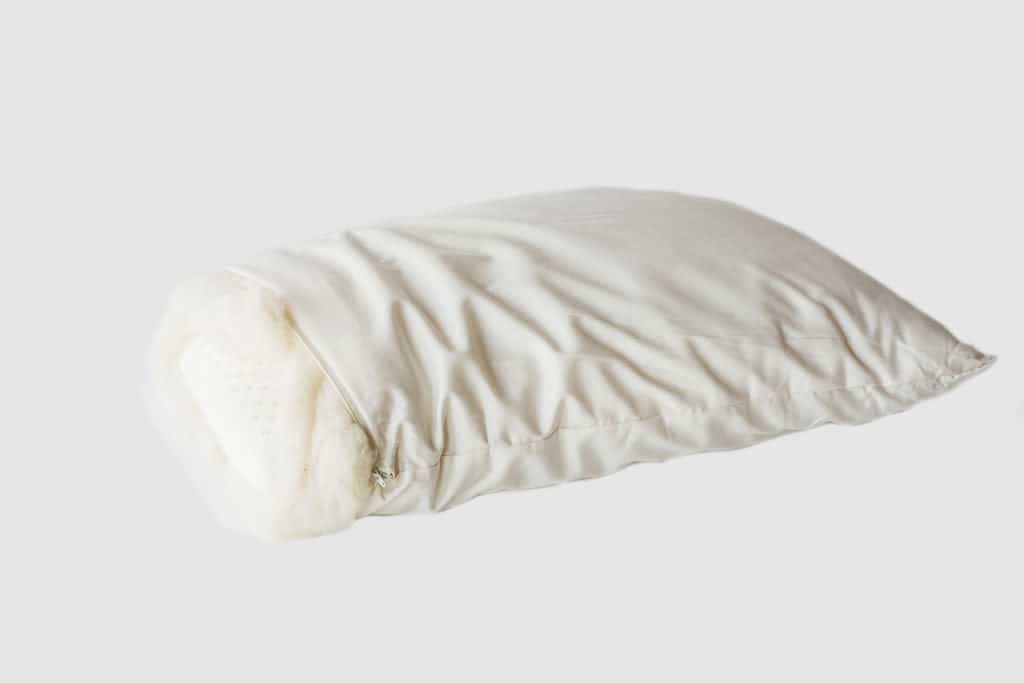
Natural wool-wrapped latex bed pillows combine the responsive lift of latex with the insulating, moisture-wicking properties of wool. This construction supports firm, consistent support while promoting airflow to help regulate temperature. The wool layer adds softness and helps manage humidity, contributing to a healthful sleep environment for sensitive sleepers.
Hybrid pillows blend features from different materials to address common sleep concerns. A hybrid design may pair latex with memory foam or fiber fills to offer a balance of contouring support and resilience. Such pillows can accommodate varying sleeping styles, providing stable neck support without excessive flattening during turns.
Snuggle Pillow and other specialized shapes exemplify how pillow geometry affects comfort and function. Ergonomic contours, adjustable filling, and cover fabrics influence pressure distribution and heat management. By evaluating firmness, loft, and material properties, sleepers can align pillow choice with personal comfort goals and sleep hygiene needs, including breathability and hypoallergenic considerations.
 Bedding