Adjustable beds offer customizable support by allowing independent head and foot elevation, which can improve comfort, sleep posture, and overall rest. This category highlights mechanisms, frame compatibility, and control options that optimize spinal alignment, pressure distribution, and circulation. Understanding benefits helps users select setups that suit reading, side sleeping, or ergonomic health goals while considering compatible bedding like memory foam pillows and latex layers.
Key features often found in adjustable bed systems include motorized recline, quiet operation, programmable presets, and durability across multiple weight ratings. Users evaluate ease of use, integration with existing bed frames, and safety features such as zero-clearance designs and remote controls with simple interfaces. Proper setup supports sustainable sleep health and reduces snoring or neck strain for many sleepers.
The Leggett and Platt S-Cape HF 2.0 exemplifies advanced adjustable bed engineering with dual-motor movement, precise head and foot articulation, and robust frame stability. Its features typically include wireless or wired controls, memory presets, and compatibility with diverse bedding options. Functional benefits emphasize customized elevation for reading, watching television, or alleviating certain medical or ergonomic concerns.
When considering adjustable beds, compatibility with key bedding components matters, including organic mattresses and latex layers that respond well to contouring and pressure relief. Memory foam pillows and other supportive accessories complement elevation by maintaining alignment of the spine and hips. Selecting appropriate foundation characteristics can influence heat retention, airflow, and overall comfort during sleep.
Educational guidance for this category covers maintenance, safety, and optimization of function over time. Topics include motor longevity, noise levels during adjustment, and proper weight distribution across the bed platform. By examining product features, users can align their choices with personal sleep positions, medical considerations, and preferences for a quiet, adaptable sleep environment.
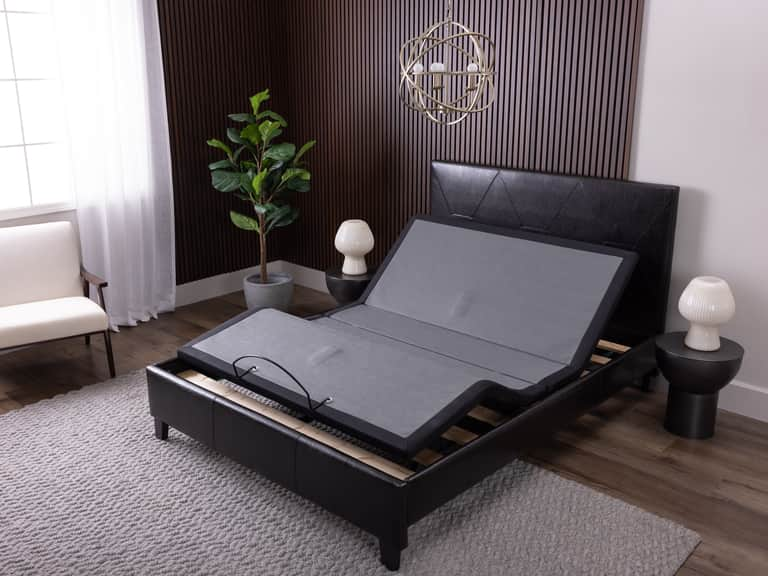 Adjustable Beds